
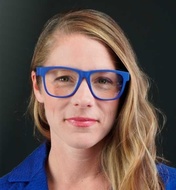

Dr. Peter McCullough is board certified in internal medicine, cardiovascular diseases, and clinical lipidology. He cares for advanced patients with common medical problems including heart and kidney disease, lipid disorders, and diabetes. Since the outset of the pandemic, Dr. McCullough has been a leader in the medical response to the COVID-19 disaster and has published “Pathophysiological Basis and Rationale for Early Outpatient Treatment of SARS-CoV-2 (COVID-19) Infection” the first synthesis of sequenced multidrug treatment of ambulatory patients infected with SARS-CoV-2 in the American Journal of Medicine and subsequently updated in Reviews in Cardiovascular Medicine. He has 35 peer-reviewed publications on the infection and has commented extensively on the medical response to the COVID-19 crisis in TheHill. On November 19, 2020, Dr. McCullough testified in the US Senate Committee on Homeland Security and Governmental Affairs concerning early ambulatory treatment of high-risk patients with COVID-19.
Maisy and Mommy Cow were separated all summer at their respective bull camps. We re-introduced them over the weekend. It did not go exactly as we had planned. But everybody is OK!
We hope they’re both pregnant and we’ll have cute calves this Spring. Speaking of pregnancy, vitamins A, D & K are essential and that’s why, as an older mom, I have made the fermented cod liver/concentrated butter oil part of my daily routine. I used to battle chronic cavities but no more. You get 10% off at checkout with promo code “ALISON”. https://greenpasture.org/
I don’t recommend Cheerios for breakfast but I definitely recommend staying clear of the green ones!
Nutrition is key when wrangling male goats, which I why my daily routine includes the fermented cod liver/concentrated butter oil from @greenpastureproducts to keep my bones, teeth and brain healthy! Use promo code “ALISON” for 10% off. https://greenpasture.org/
Our mini Jersey cross, Maisy, is back home after love camp all summer with a mini Jersey bull. Huge thank you to @thewagonfarm for taking such good care of Maisy and allowing us to use their bull’s….services. They made a cute couple but all good things come to an end. After 2 unsuccessful artificial insemination attempts, we decided it was time to try the real deal. We don’t know if she is pregnant - we will likely blood test her in the near future. We are hoping someday Maisy will be our family milk cow.
Speaking of pregnancy, nutrition is key when you’re an older mama like me (I had my kids at 38 & 41) - and Maisy! (She is almost 5! That’s old for cows.) I have been taking the fermented cod liver/concentrated butter oil from @greenpastureproducts for 15 years. It saved my teeth from chronic cavities and is a great source of vitamins A, D & K. You get 10% off with promo code “ALISON” at check out. https://greenpasture.org/

RFK Jr.’s enhanced security was funded with money from minority health office
https://www.msn.com/en-us/news/other/rfk-jr-s-enhanced-security-was-funded-with-money-from-minority-health-office/ar-AA2cMB4W
Showing how much he really cares about minority health. He doesn't.